
Posted by Blue Thumb on May 7th 2026
How Much Does a Pondless Waterfall Cost in 2026? DIY vs. Pro
If you are planning a backyard water feature, one of the first questions you probably have is simple:
How much does a pondless waterfall cost in 2026?
The answer depends on the size of the waterfall, the materials you choose, and whether you build it yourself or hire a professional. For many homeowners, a pondless waterfall is one of the best ways to enjoy the sound and beauty of moving water without the maintenance of a full pond.
This guide breaks down realistic 2026 pondless waterfall costs, including DIY kit pricing, professional installation ranges, sample budgets, and how to decide which option makes the most sense for your project.
Quick Answer: Pondless Waterfall Cost in 2026
In 2026, most DIY pondless waterfall projects cost between $1,500 and $8,000, depending on the kit size, rock, gravel, equipment rental, and optional upgrades.
Most professionally installed pondless waterfalls cost between $5,000 and $20,000+, with larger custom waterfalls and long stream builds costing more.
| Project Type | Typical 2026 Cost Range |
|---|---|
| Small DIY pondless waterfall | $1,500–$4,000 |
| Medium DIY pondless waterfall | $4,000–$8,000 |
| Large DIY pondless waterfall | $8,000–$15,000+ |
| Small professional installation | $5,000–$10,000 |
| Medium professional installation | $10,000–$20,000 |
| Large custom professional installation | $20,000–$50,000+ |
The biggest difference is labor. A DIY pondless waterfall kit can save you money, but you will need to handle the digging, rock placement, and installation work yourself. A professional installation costs more, but you get experienced design, faster installation, and a more polished natural look.
Ready to build it yourself?
Shop pondless waterfall kits
Want help from an installer?
Connect with a Pro
What Is a Pondless Waterfall?
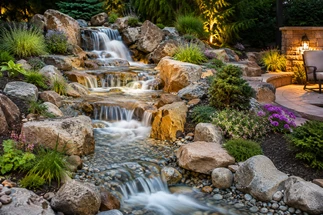
A pondless waterfall is a recirculating water feature that flows over rocks, boulders, or a spillway and disappears into a hidden underground basin.
Unlike a traditional pond, there is no open pool of water at the bottom. The water collects below the surface in a reservoir. A pump then sends the water back to the top of the waterfall.
Pondless waterfalls are popular because they offer:
- The relaxing sound of moving water
- A natural backyard focal point
- Less maintenance than a pond
- No fish care
- Less open water
- Flexible design options
- A great fit for patios, garden beds, and outdoor living spaces
A pondless waterfall can be small and simple, or it can be built as a larger natural stream with multiple drops.
How Much Does a DIY Pondless Waterfall Kit Cost?
The main cost for a DIY project is the pondless waterfall kit.
A complete pondless waterfall kit usually includes the core components needed to build the system. This often includes the pump, basin or water storage blocks, liner, underlayment, plumbing, fittings, and waterfall spillway.
Blue Thumb carries complete pondless waterfall kits designed to make the buying process easier. Instead of trying to match a pump, basin, liner, and plumbing separately, a kit gives you a properly matched starting point.
DIY Kit Cost Ranges
| DIY Kit Size | Best For | Typical Kit Cost |
|---|---|---|
| Small pondless waterfall kit | Patio, small garden, entryway, compact backyard | $1,300–$3,000 |
| Medium pondless waterfall kit | Backyard focal point with a longer stream | $3,000–$6,000 |
| Large pondless waterfall kit | Larger landscape, stronger flow, longer stream | $6,000–$10,000+ |
A smaller kit may be enough for a short stream or compact waterfall near a patio. A larger kit is better for a more dramatic feature with a longer stream, wider waterfall, or stronger water flow.
Important: The Kit Price Is Not the Full Project Cost
This is one of the most important things to understand.
The kit gives you the main system components, but most DIY projects also need rock, gravel, plants, tools, and sometimes electrical work.
Here are common extra costs to plan for:
| Extra Item | Estimated Cost |
|---|---|
| Rock and gravel | $500–$5,000+ |
| Equipment rental | $250–$1,000 |
| Electrical outlet or GFCI setup | $300–$1,500 |
| Extra plumbing or fittings | $50–$500 |
| Landscape lighting | $200–$2,000 |
| Plants, mulch, and finishing materials | $100–$1,500 |
| Water treatments | $50–$300 |
Rock and gravel can change the budget quickly. Local stone may be affordable. Large decorative boulders, specialty rock, or long-distance delivery can add thousands of dollars.
If you are planning a DIY project, you may also want to browse:
- Pond pumps
- Pond liner
- Pond underlayment
- Waterfall spillways
- Pond and waterfall lighting
- Water treatments
How Much Does Professional Pondless Waterfall Installation Cost?
A professionally installed pondless waterfall usually costs more because you are paying for labor, design, equipment, excavation, and craftsmanship.
In 2026, most professional pondless waterfall installations fall between $5,000 and $20,000+.
Small, simple installations may be near the lower end. Larger naturalistic waterfalls with long streams, large boulders, lighting, and custom landscaping can cost much more.
Professional Installation Cost Ranges
| Professional Project Size | Typical Cost |
|---|---|
| Small pondless waterfall | $5,000–$10,000 |
| Medium pondless waterfall | $10,000–$20,000 |
| Large custom pondless waterfall | $20,000–$50,000+ |
A professional installation may include:
- Design planning
- Excavation
- Reservoir installation
- Pump and plumbing installation
- Liner and underlayment installation
- Boulder and rock placement
- Waterfall and stream shaping
- Edge treatment
- Final grading
- Startup and testing
A skilled installer can make a pondless waterfall look more natural by controlling water flow, hiding liner edges, shaping the stream, and placing rocks in a way that feels like they belong in the landscape.
If you want professional help, use Blue Thumb’s contractor tool here:
What Changes the Price of a Pondless Waterfall?
The cost of a pondless waterfall can vary a lot from one yard to another. These are the biggest factors that affect the final price.
1. Waterfall Size
A small waterfall costs less because it needs fewer materials.
A larger waterfall needs:
- More liner
- More underlayment
- More rock
- More gravel
- A larger basin
- A stronger pump
- More plumbing
- More labor
A compact patio waterfall may be a manageable DIY project. A large natural stream with several drops is usually more expensive and more complex.
2. Stream Length
Stream length is one of the biggest cost drivers.
A short 3-foot stream may only need a small kit and limited rock. A 16-foot stream needs more excavation, more liner, more underlayment, more stone, and a larger water reservoir.
Longer streams also require more planning to make sure water flows correctly from top to bottom.
3. Water Flow
Some homeowners want a gentle trickle. Others want a wide, powerful waterfall with a strong sound.
More water flow usually means:
- A larger pump
- More water storage
- Larger plumbing
- More careful splash control
- Higher operating cost
The pump should be sized to match the waterfall width, vertical height, and desired flow rate.
Browse pond pumps if you are comparing pump options.
4. Basin Size
The underground basin holds the water when the system is running.
If the basin is too small, the waterfall may not run properly. A longer stream or wider waterfall needs more water storage because water is moving through the stream while the system is on.
This is one reason complete kits are helpful. The pump, basin, and liner are selected to work together.
5. Rock and Boulder Selection
Rock choice can make a big difference in both cost and appearance.
Small stone and gravel are usually more affordable. Large boulders create a more natural look, but they cost more and may require equipment to move.
Rock cost depends on:
- Stone type
- Boulder size
- Local availability
- Delivery distance
- Equipment needed for placement
A pondless waterfall can be built with a modest rock budget, but high-end natural boulder work will raise the price.
6. Yard Access
Easy access can lower the cost. Difficult access can raise it.
Projects get harder when the installer or homeowner has to work around:
- Narrow gates
- Fences
- Stairs
- Steep slopes
- Tight side yards
- Existing patios
- Finished landscaping
- Limited machine access
If equipment cannot reach the build area, more work may need to be done by hand.
7. Electrical Work
Most pondless waterfalls need outdoor power near the pump.
If you already have a safe outdoor GFCI outlet near the feature, your cost may be lower. If not, you may need to hire an electrician.
Electrical work is one of the most commonly forgotten budget items.
8. Lighting and Upgrades
Lighting can make a pondless waterfall look amazing at night. It also adds cost.
Popular upgrades include:
- LED waterfall lights
- Underwater lights
- Smart controls
- Autofill systems
- Larger spillways
- Extra waterfall drops
- Decorative plants
- Premium stone
- Formal spillways
For modern or formal designs, browse waterfall spillways.
Sample Pondless Waterfall Budgets
Use these sample budgets to get a better idea of what your project may cost.
Budget 1: Small DIY Pondless Waterfall
Estimated total: $1,500–$4,000
This is a good option for a homeowner who wants a simple water feature near a patio, garden bed, walkway, or small backyard sitting area.
| Item | Estimated Cost |
|---|---|
| Small pondless waterfall kit | $1,300–$3,000 |
| Rock and gravel | $300–$1,000 |
| Extra plumbing or fittings | $50–$200 |
| Plants or mulch | $100–$500 |
| Estimated Total | $1,500–$4,000 |
This type of project is best if you are comfortable digging, moving stone, and following installation instructions.
Best fit: Handy homeowners who want the sound of water without paying for a full professional installation.
Budget 2: Medium DIY Pondless Waterfall
Estimated total: $4,000–$8,000
This is a better fit for a motivated DIY homeowner who wants a longer stream, stronger visual impact, and a more natural look.
| Item | Estimated Cost |
|---|---|
| Medium pondless waterfall kit | $3,000–$6,000 |
| Rock and gravel | $1,000–$3,000 |
| Equipment rental | $250–$800 |
| Electrical work | $300–$1,000 |
| Lighting or upgrades | $200–$1,000 |
| Estimated Total | $4,000–$8,000+ |
This project may take more than one weekend, especially if you are moving rock by hand.
Best fit: Homeowners who want to save money and are willing to put in the labor.
Budget 3: Small Professional Installation
Estimated total: $5,000–$10,000
This is a good choice if you want a smaller pondless waterfall but do not want to install it yourself.
| Item | Included in Many Pro Projects |
|---|---|
| Design planning | Often included |
| Excavation | Often included |
| Kit or system components | Often included |
| Rock and gravel | Often included |
| Labor | Included |
| Startup and testing | Often included |
A professional crew can usually complete a small project much faster than a homeowner working on weekends.
Best fit: Homeowners who want a finished water feature without doing the heavy labor.
Budget 4: Medium to Large Professional Installation
Estimated total: $10,000–$25,000+
This is common for homeowners who want a major backyard focal point.
This type of project may include:
- A longer stream
- Multiple waterfall drops
- Larger boulders
- Landscape lighting
- A larger pump system
- More detailed rock work
- Better integration with patios, planting beds, or outdoor living areas
Best fit: Homeowners who want a natural-looking custom feature with professional design and installation.
DIY vs. Professional Installation: Which Is Better?
The right choice depends on your budget, your time, your skill level, and the final look you want.
Choose DIY If:
- You want to save money
- You enjoy outdoor projects
- You are comfortable digging
- You can move rock safely
- You have help available
- You have easy yard access
- You are building a small or medium feature
- You are okay learning as you go
A DIY pondless waterfall kit makes the most sense when you want the parts matched correctly and you are comfortable handling the labor yourself.
For many buyers, this is the best value because more of the budget goes toward the water feature instead of labor.
Hire a Contractor If:
- You want a high-end natural look
- You do not want to do heavy labor
- Your yard has difficult access
- You want a long stream
- You want large boulders
- You need grading or drainage help
- You want the project finished faster
- You are building a premium outdoor living space
A contractor can help avoid common problems like:
- Undersized basins
- Poor pump selection
- Exposed liner
- Splash loss
- Leaks around edges
- Flat-looking waterfalls
- Poor rock placement
- Awkward water flow
If the project is large, highly visible, or part of a bigger landscape investment, hiring a professional may be worth the added cost.
Pondless Waterfall Kit vs. Hiring a Pro
Here is a simple way to compare the two options:
| Question | DIY Kit May Be Better | Contractor May Be Better |
|---|---|---|
| Is your budget limited? | Yes | Maybe not |
| Do you enjoy hands-on projects? | Yes | No |
| Is the feature small or medium sized? | Yes | Maybe |
| Do you want a large natural stream? | Maybe | Yes |
| Do you have easy yard access? | Yes | Helpful either way |
| Do you want large boulders? | Maybe | Yes |
| Do you want it done quickly? | No | Yes |
| Do you want the most polished result? | Maybe | Yes |
If your goal is the lowest cost, DIY usually wins.
If your goal is the most natural finished look with less stress, professional installation usually wins.
Is a Pondless Waterfall Worth the Cost?
For many homeowners, yes.
A pondless waterfall can completely change how a yard feels. It adds sound, movement, and a natural focal point without the same maintenance needs as a full pond.
A pondless waterfall can help:
- Create a relaxing outdoor space
- Soften traffic or neighborhood noise
- Improve curb appeal
- Make a patio feel more inviting
- Add movement to garden beds
- Upgrade an outdoor living area
- Create a peaceful place to sit outside
Compared to many backyard upgrades, a pondless waterfall offers a strong emotional payoff because you can hear it and enjoy it every day.
How to Choose the Right Pondless Waterfall Kit
If you decide to build it yourself, start by thinking about the finished look you want.
Ask yourself:
- How long do I want the stream to be?
- Do I want a gentle trickle or stronger flow?
- Will the waterfall be near a patio or viewed from a distance?
- How much rock can I move safely?
- Do I have easy access to the build area?
- Do I want lighting?
- Do I need a compact feature or a larger focal point?
A smaller kit is great for a garden accent. A medium or large kit is better if you want the waterfall to become a major part of the landscape.
Start here:
Final Thoughts: How Much Should You Budget?
In 2026, most homeowners should budget at least $1,500 to $4,000 for a smaller DIY pondless waterfall.
For a larger DIY project, a more realistic budget is $4,000 to $8,000+ once rock, gravel, and extra materials are included.
For professional installation, most homeowners should expect to spend around $5,000 to $20,000+, depending on size, access, rock choice, and design complexity.
The best choice depends on how involved you want to be.
If you want to save money and enjoy hands-on projects, a DIY kit is a great option.
If you want expert design, professional rock work, and a finished feature without doing the labor yourself, hiring a contractor may be the better fit.
A pondless waterfall can be simple, custom, budget-friendly, or high-end. The key is choosing the right system for your space, your budget, and the way you want to enjoy your backyard.
Frequently Asked Questions About Pondless Waterfall Costs
What is the cheapest way to build a pondless waterfall?
The cheapest way to build a pondless waterfall is to use a smaller DIY kit, choose locally available rock, keep the stream short, and avoid expensive upgrades like lighting, large boulders, or complex landscaping.
If you want to keep the project budget-friendly, start with a complete pondless waterfall kit and build a simple design that fits your space.
Is a pondless waterfall cheaper than a pond?
In many cases, yes. A pondless waterfall can cost less than a traditional pond because it does not require a large open pond basin, fish habitat, biological filtration, or the same level of pond maintenance.
A pondless waterfall is often a better fit for homeowners who want the sound and beauty of moving water without caring for fish or maintaining a full pond ecosystem.
How much does a small pondless waterfall cost?
A small DIY pondless waterfall often costs between $1,500 and $4,000, depending on the kit, rock, gravel, and finishing materials.
A small professionally installed pondless waterfall usually costs between $5,000 and $10,000, depending on labor, site access, rock selection, and design complexity.
Can I install a pondless waterfall myself?
Yes, many homeowners install pondless waterfalls themselves using a complete kit. DIY is a good fit if you are comfortable digging, moving rock, and following installation instructions.
A DIY pondless waterfall kit makes the process easier because the main parts are matched together, including the pump, liner, underlayment, basin, plumbing, and waterfall components.
Start here if you want to build your own feature: Shop pondless waterfall kits.
When should I hire a professional?
You should consider hiring a professional if you want a larger waterfall, a long stream, large boulders, difficult excavation, or a more natural finished look.
A contractor can also help if your yard has tight access, slopes, drainage concerns, or if the water feature is part of a larger outdoor living project.
If you want help planning or installing your project, use Blue Thumb’s contractor tool here: Connect with a Pro.
How long does a pondless waterfall last?
A well-built pondless waterfall can last for many years when it is installed correctly and maintained properly. The liner, pump, plumbing, rock work, and basin all play a role in long-term performance.
Using quality materials, properly sizing the basin, and choosing the right pump can help prevent common problems like leaks, low water levels, and poor flow.
Does a pondless waterfall use a lot of electricity?
Most pondless waterfalls use electricity to run the pump. The cost depends on the pump size, how many hours per day it runs, and your local electric rate.
Smaller waterfalls usually use less energy. Larger waterfalls with stronger flow require larger pumps and may cost more to operate.